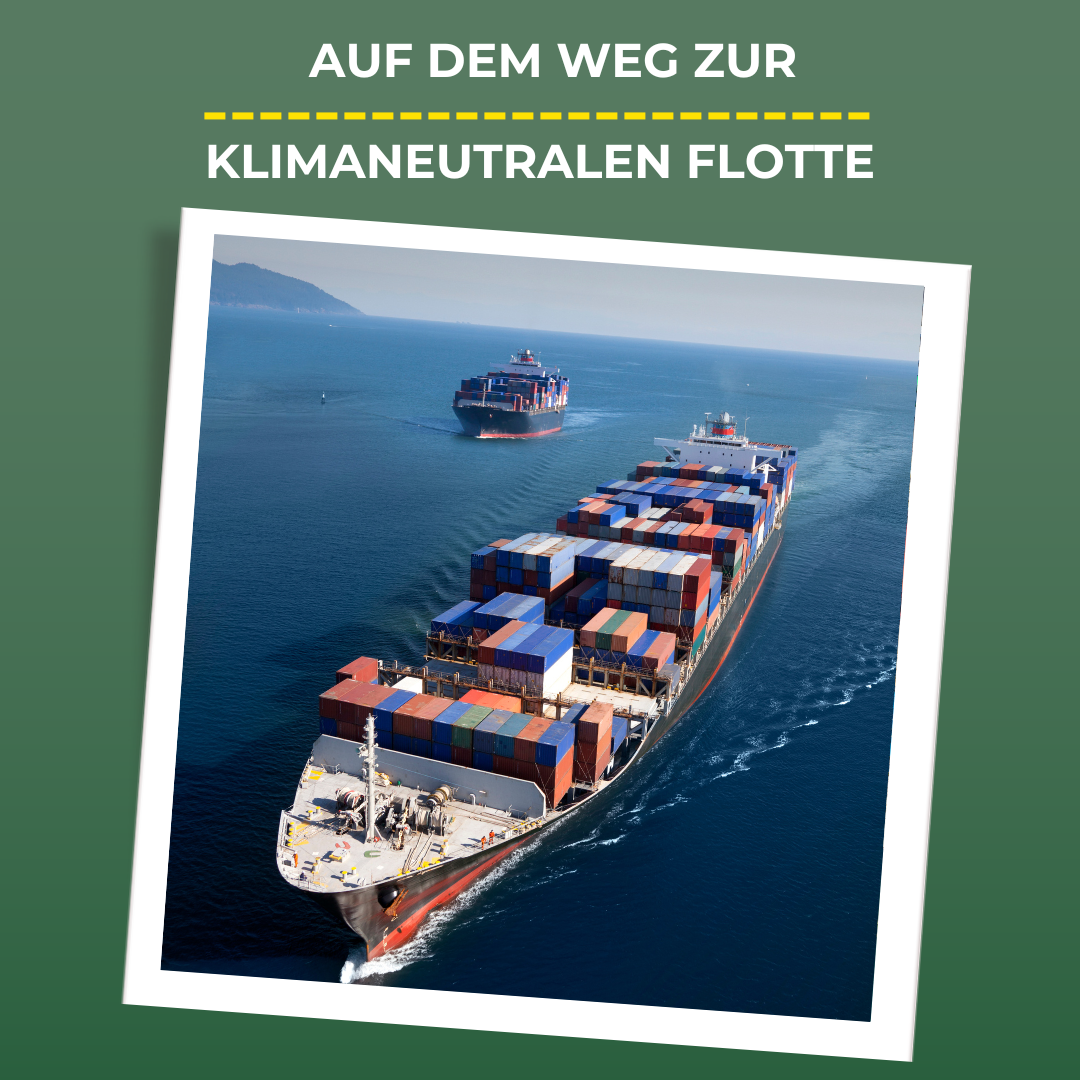
Even though political headwinds are being felt from parts of the world, international shipping remains on course: the major shipping companies are unwaveringly investing in more climate-friendly technologies - and are thus sending a strong signal for the transformation of an entire industry.
Shipping is responsible for around three per cent of global CO₂ emissions. There is great pressure - particularly from Europe and South America - to gradually leave fossil fuels behind. As early as 2023, the member states of the IMO unanimously formulated the goal of orienting the industry towards net-zero emissions by around 2050. Since then, more and more shipping companies have been focussing on dual-fuel ships. These ships can run on both conventional fuels and alternative energy sources such as LNG, methanol or ammonia - an important intermediate step on the way to a climate-neutral fleet.
The figures speak for themselves: according to the World Shipping Council, more than 150 billion US dollars will have been invested in dual-fuel technologies by the end of 2025. These drive systems now account for around 74 per cent of new orders for container and car carriers.